Beyond traditional techniques, our workshop carries out specific and experimental processes designed to further enhance the printed piece.
Blind Impressions
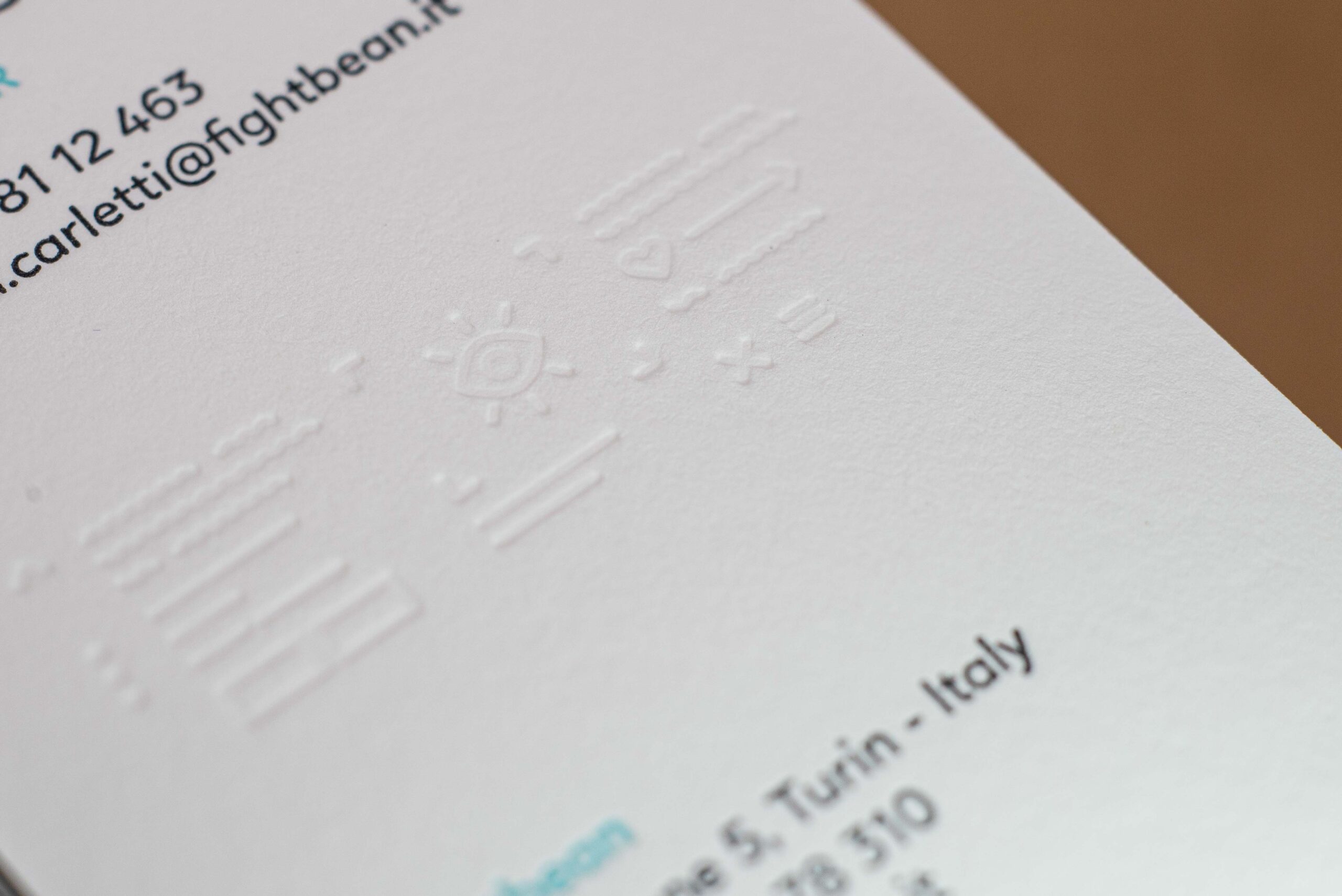
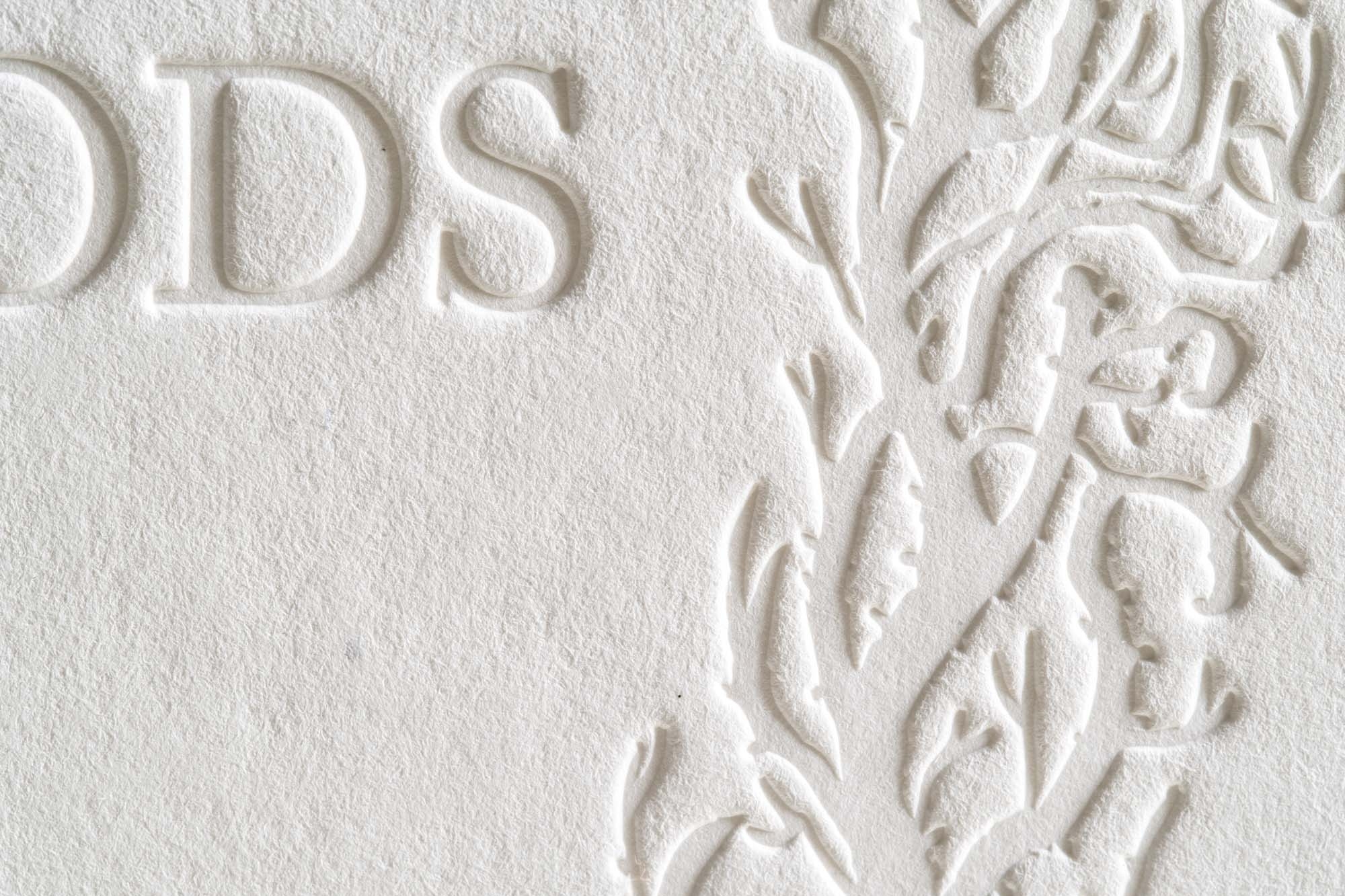
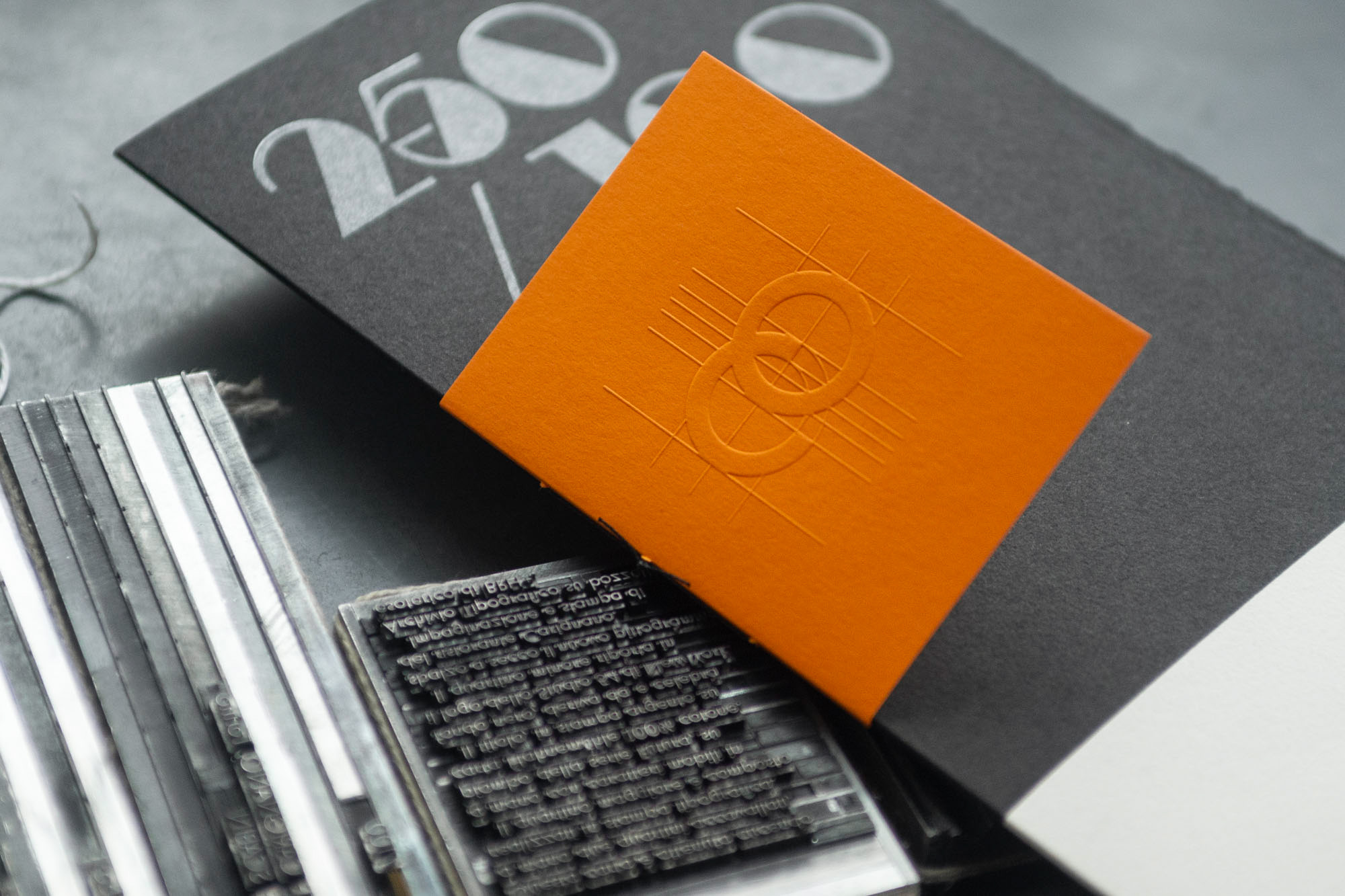
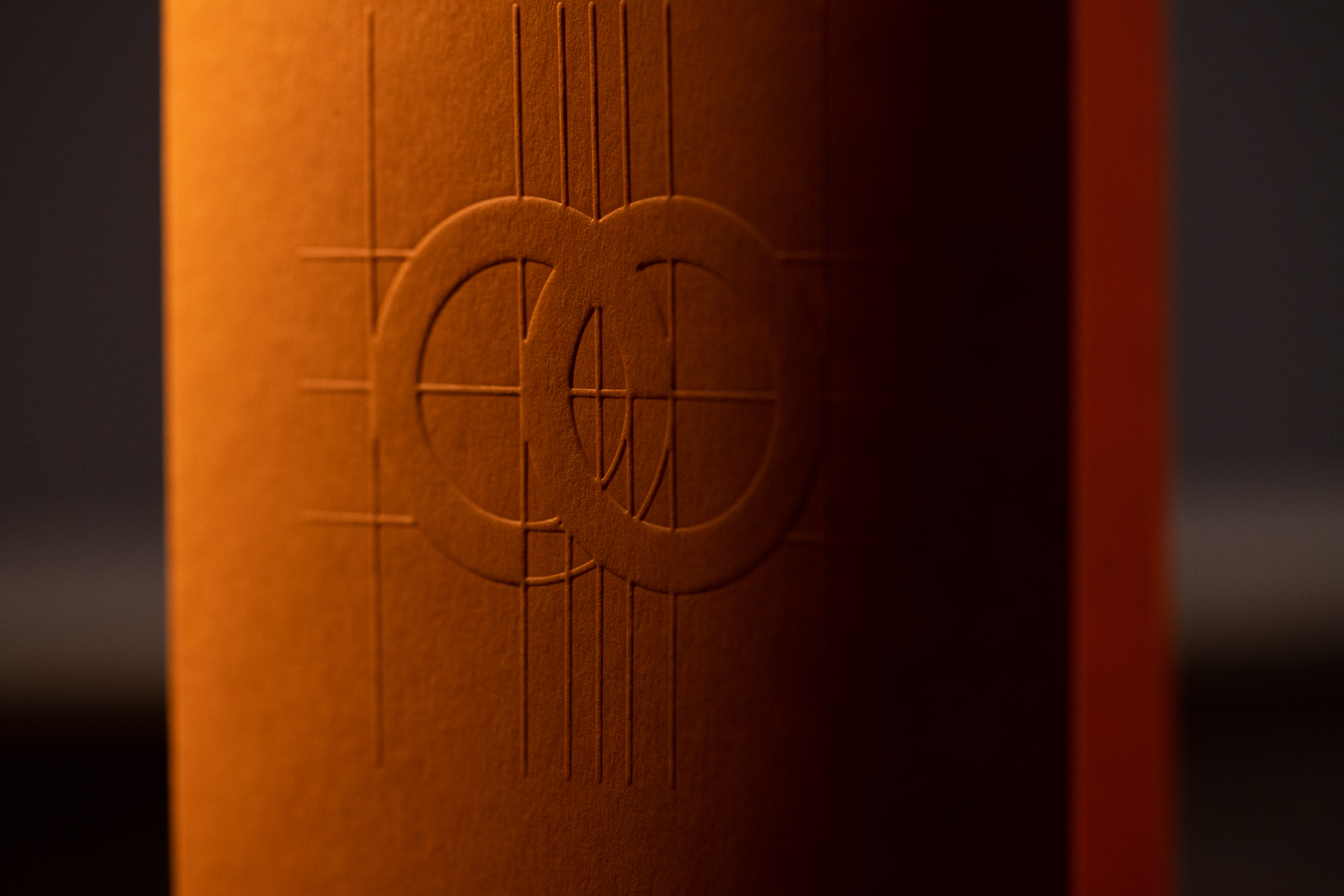
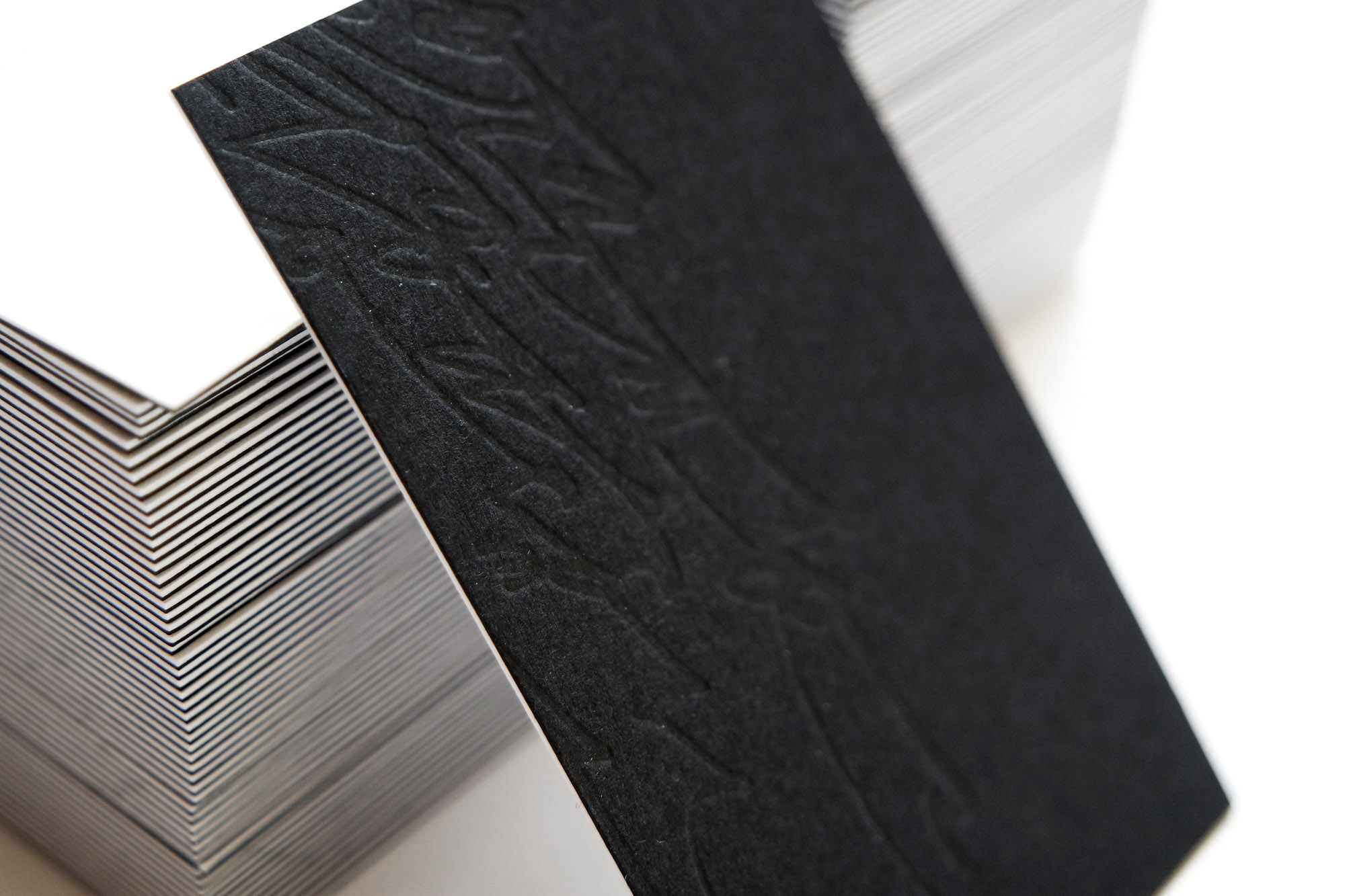
It is possible to shape the paper and create tactile effects without the use of ink.
A distinction must be made between blind debossing and blind embossing. In the first case, the plate is pressed into the paper, leaving the graphic in low relief (debossing). In the second case, two opposing plates are used: the paper surface is deformed in a controlled way, bringing the design into high relief (embossing).
Custom Inks and Color Backgrounds
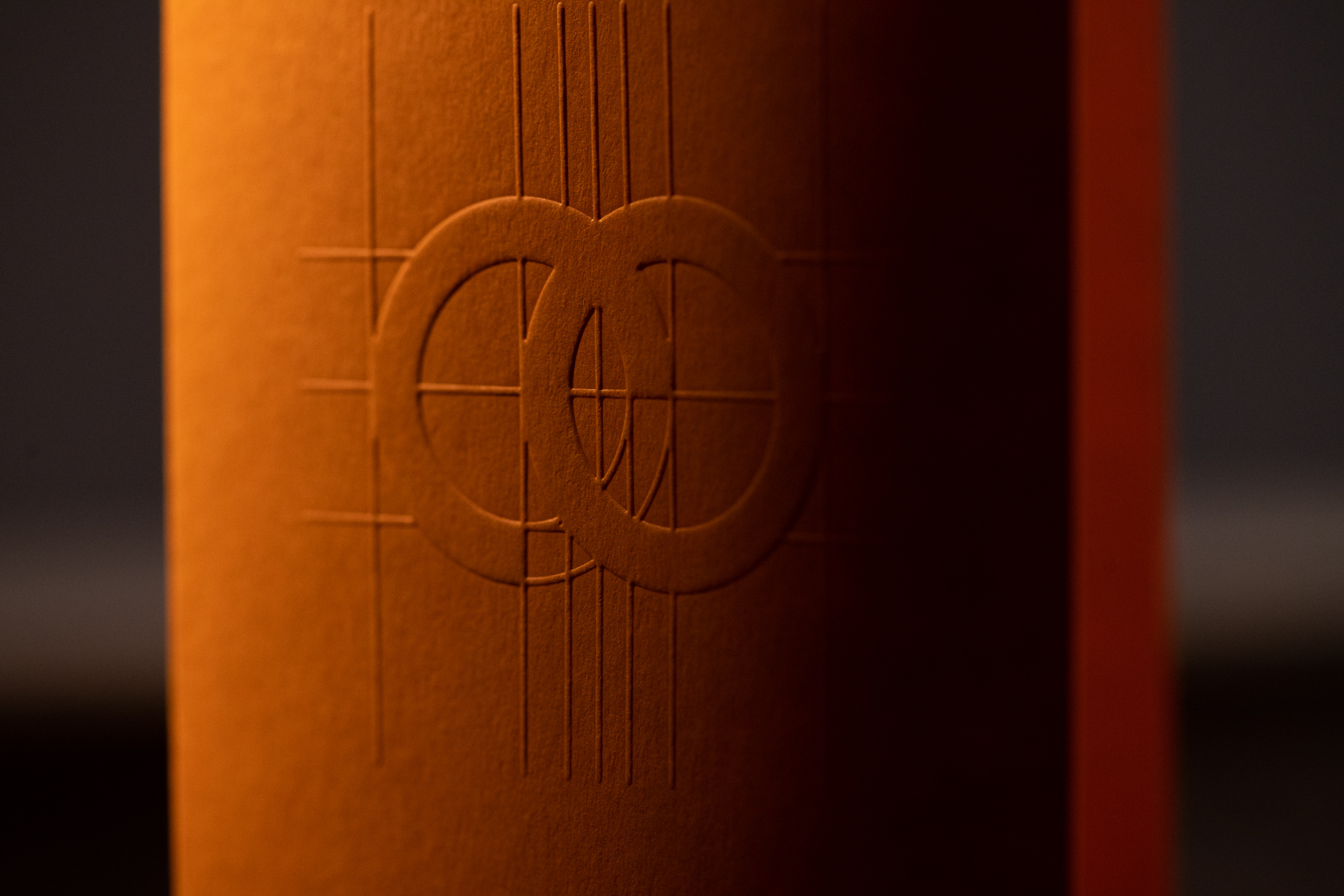
Archivio Tipografico uses only custom-mixed inks, ensuring accurate and vibrant color reproduction. Given a specific color reference or Pantone code, we can precisely match it — even within the range of fluorescent inks.
It is also possible to print solid color backgrounds on various paper stocks, within the limits of the available formats. This process is especially suited for brand identity projects that require exact color consistency.
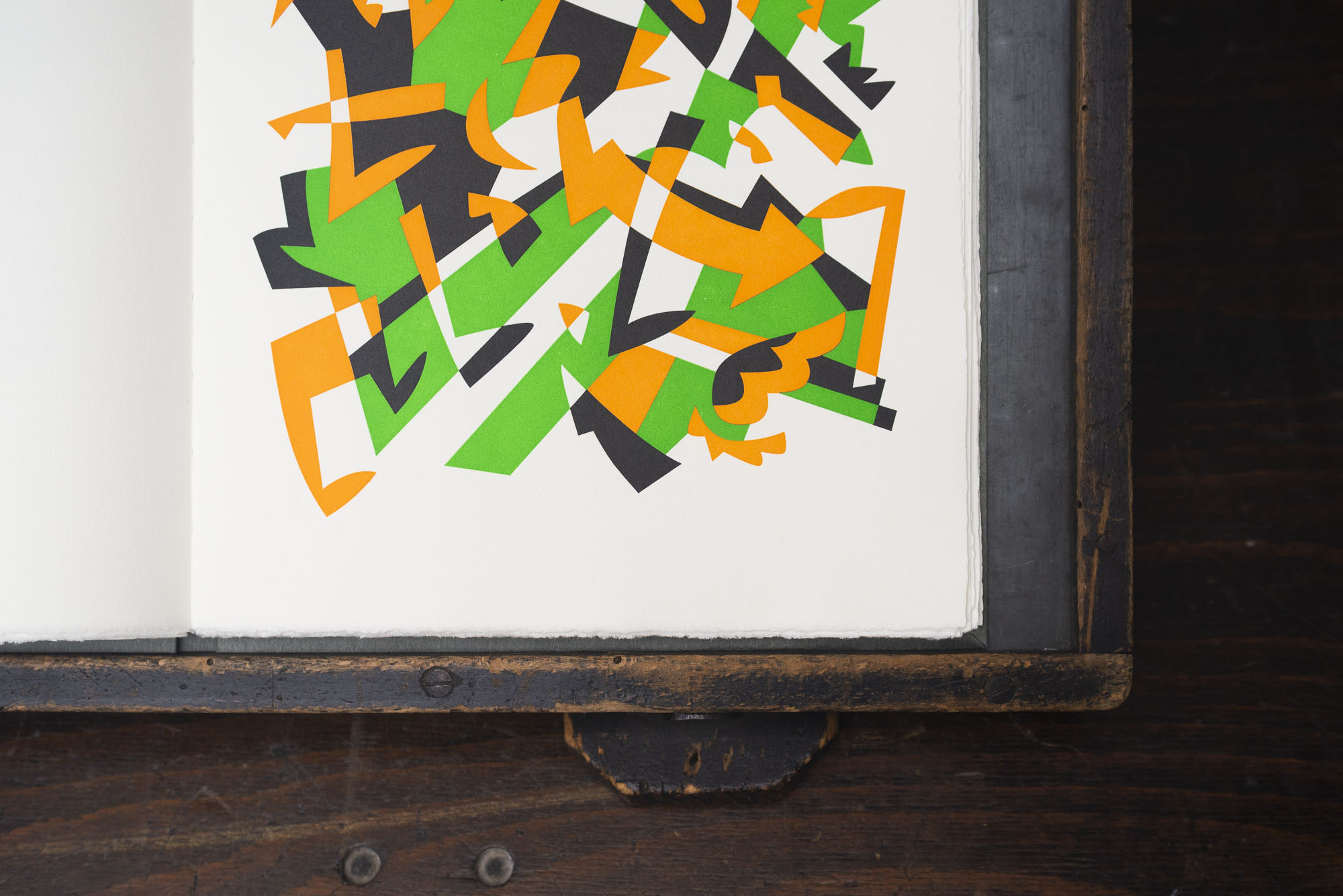

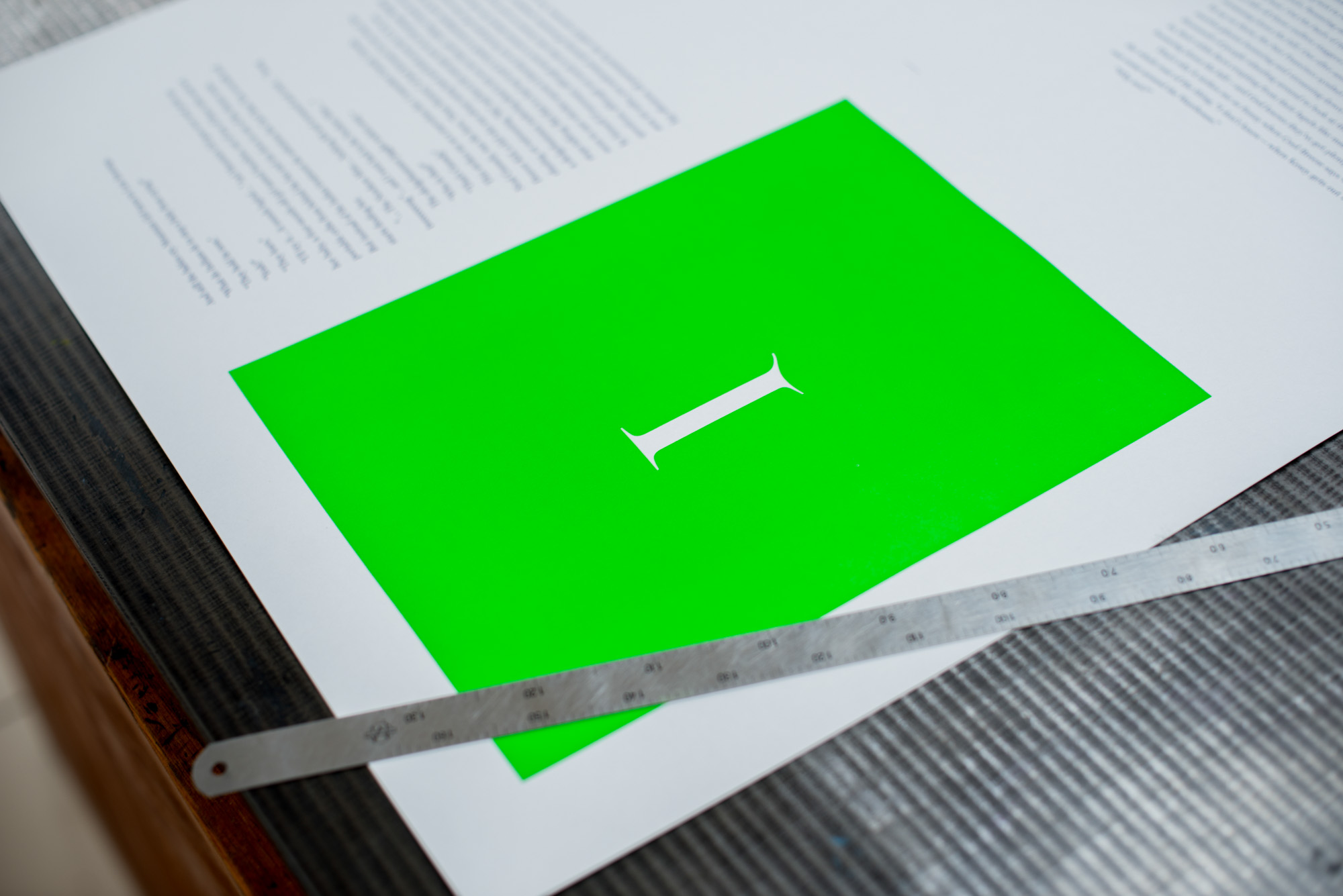
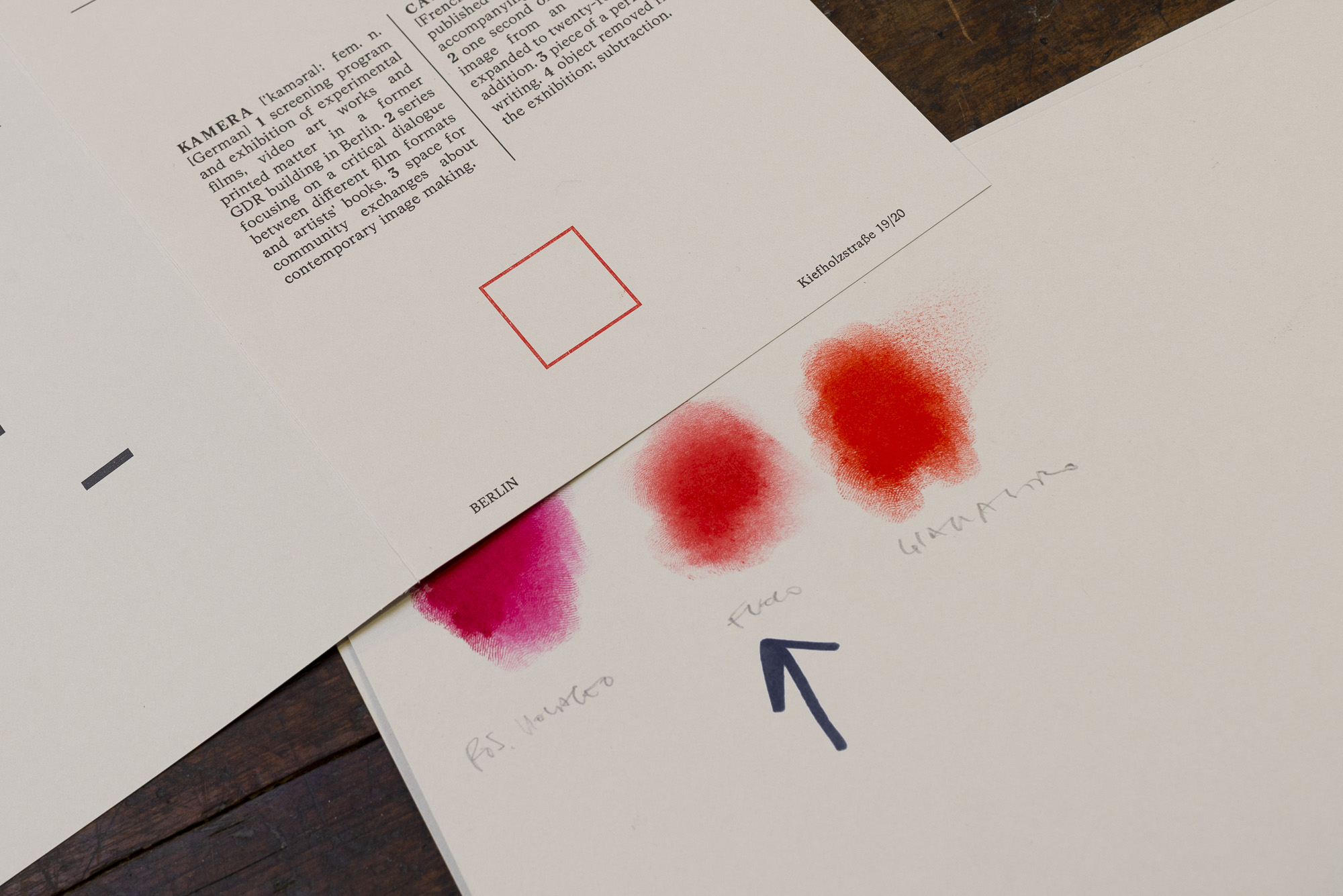
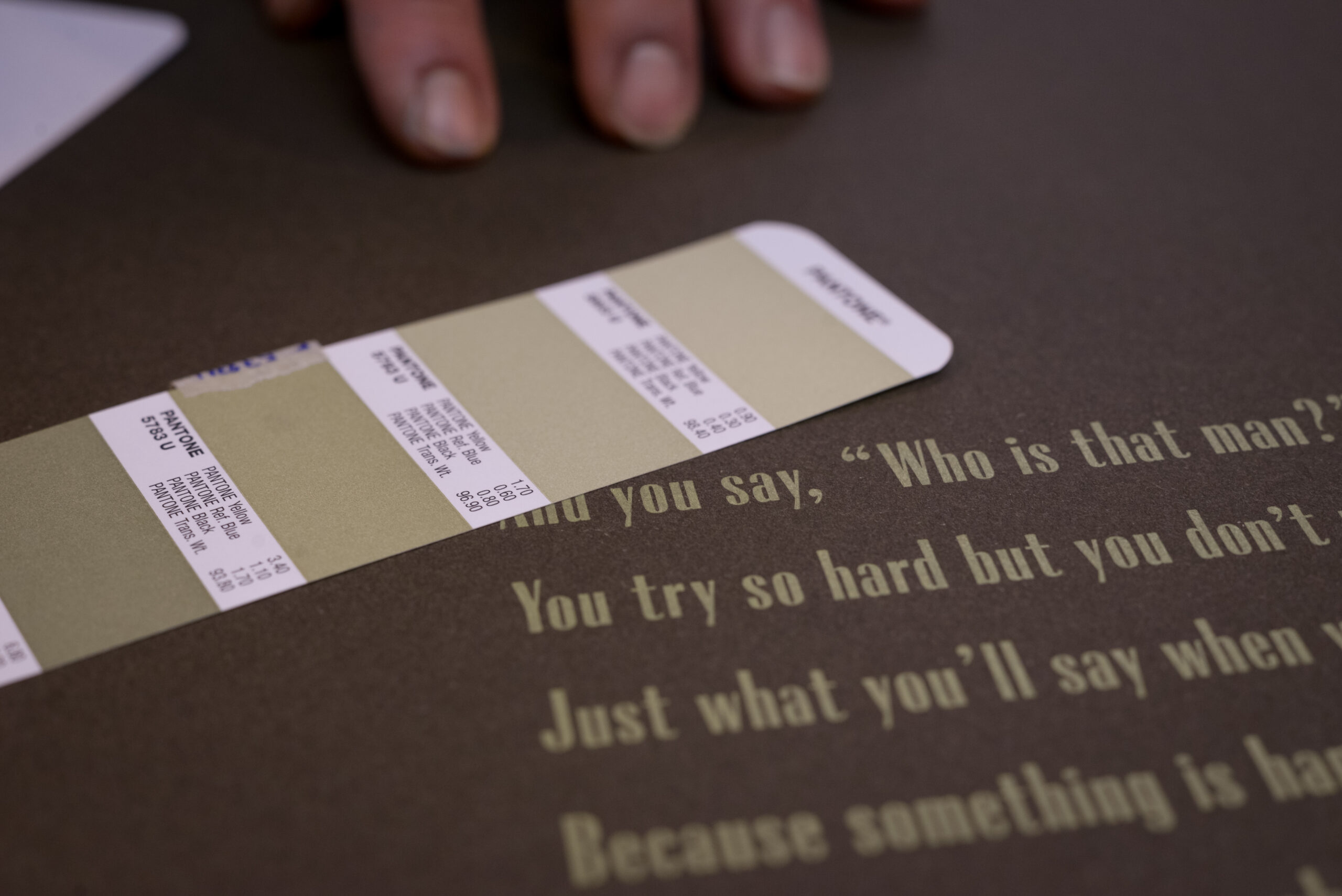
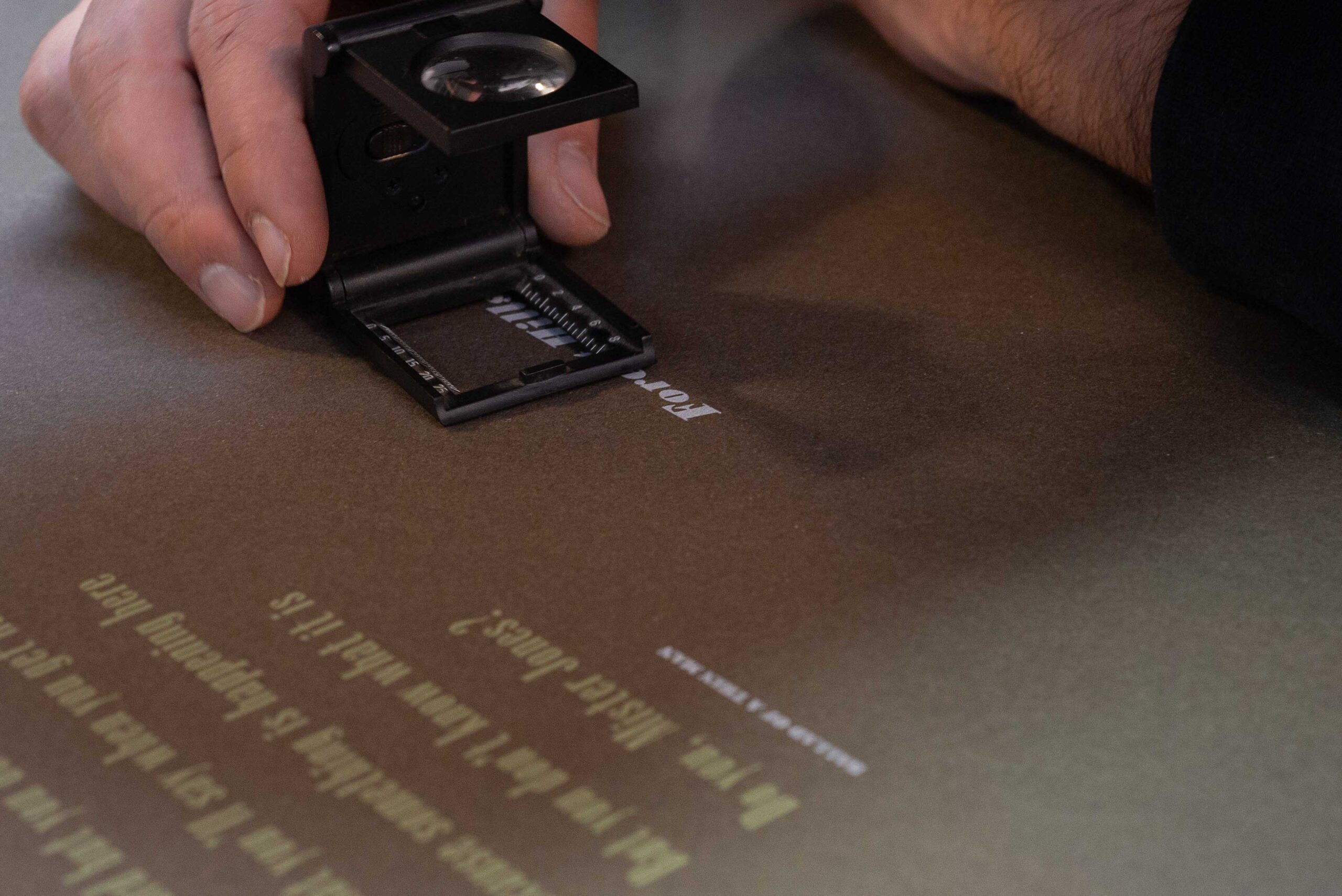
White ink produces a semi-transparent, non-opaque effect. A completely opaque coverage of the paper color cannot be achieved.
Metallic Inks
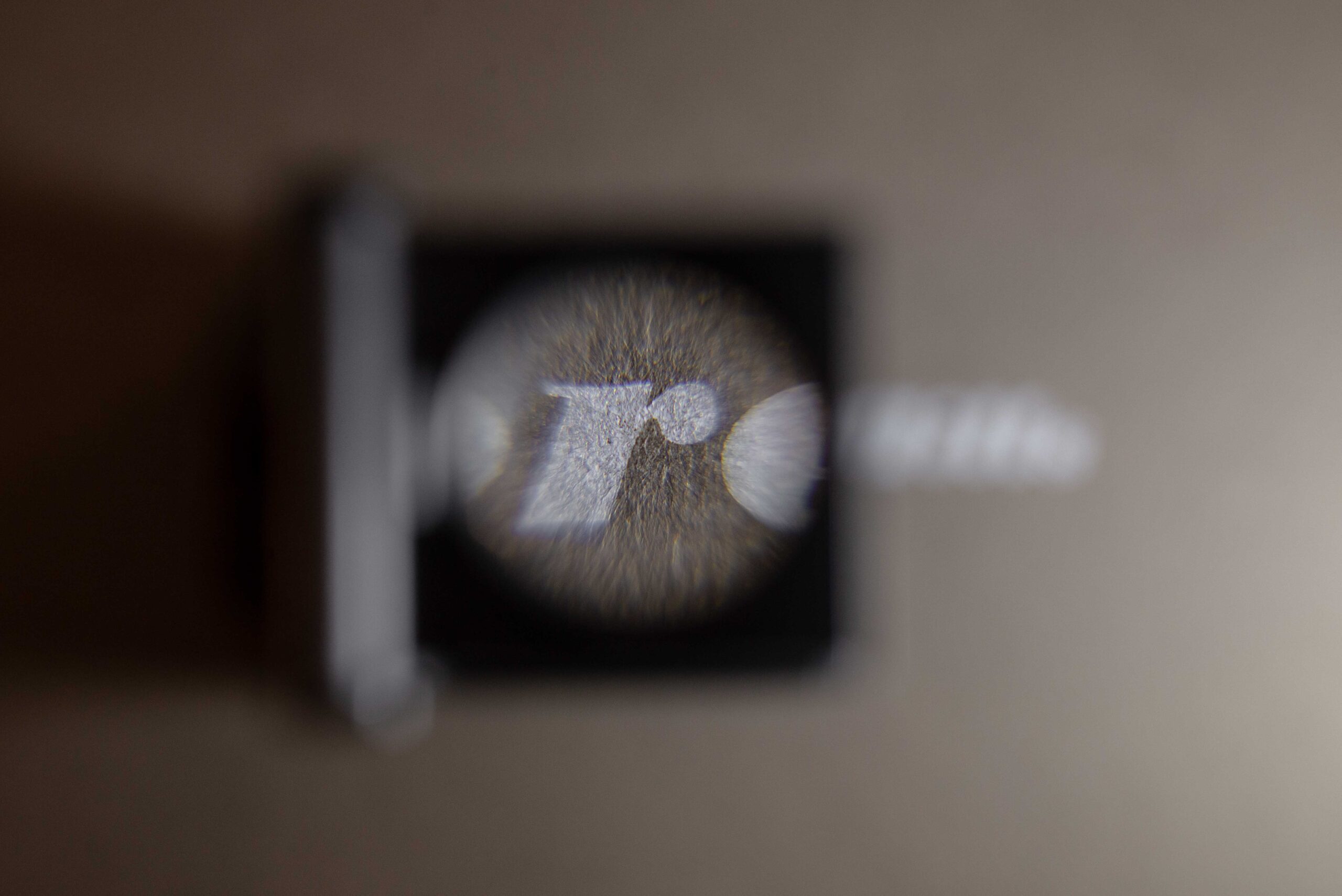
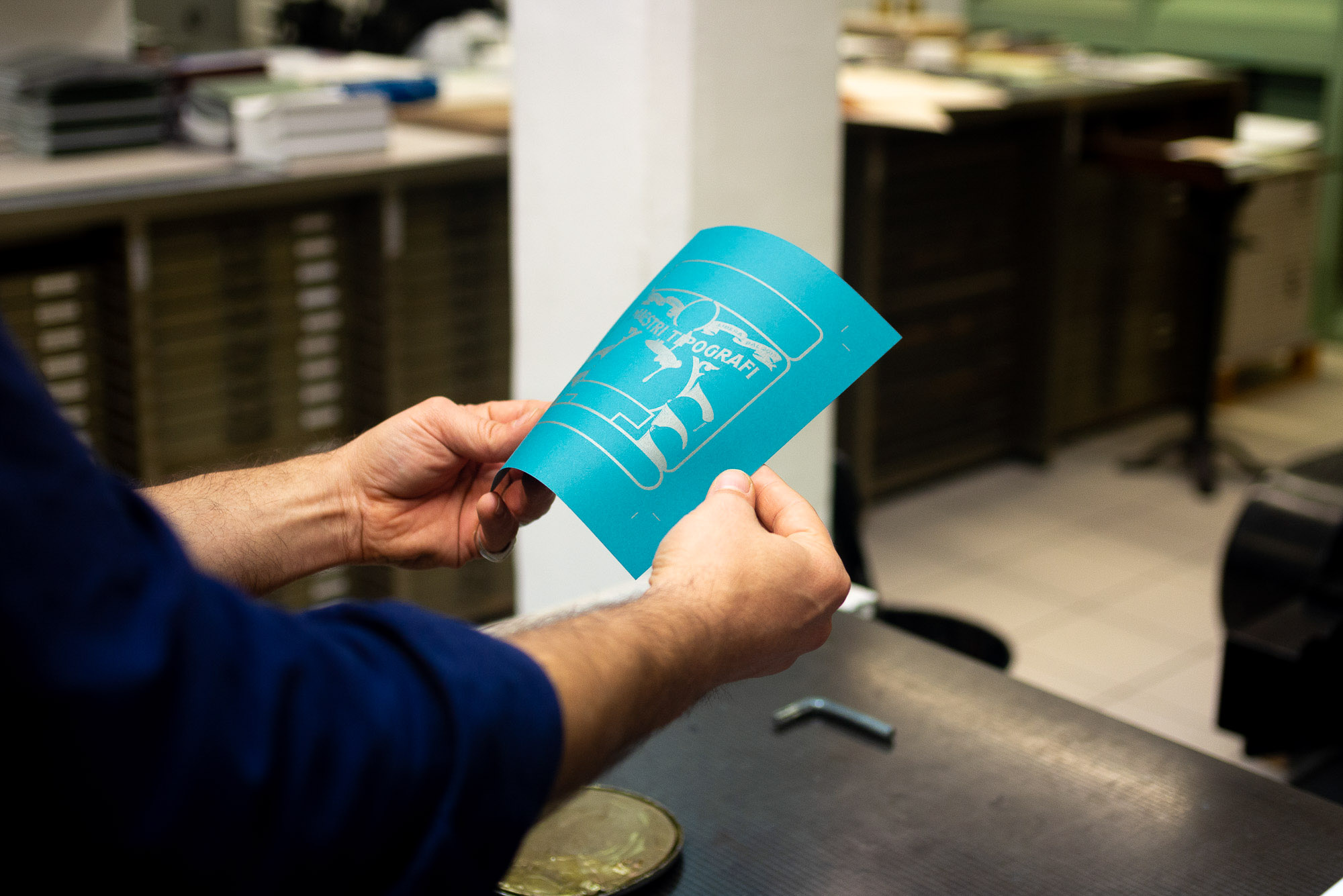
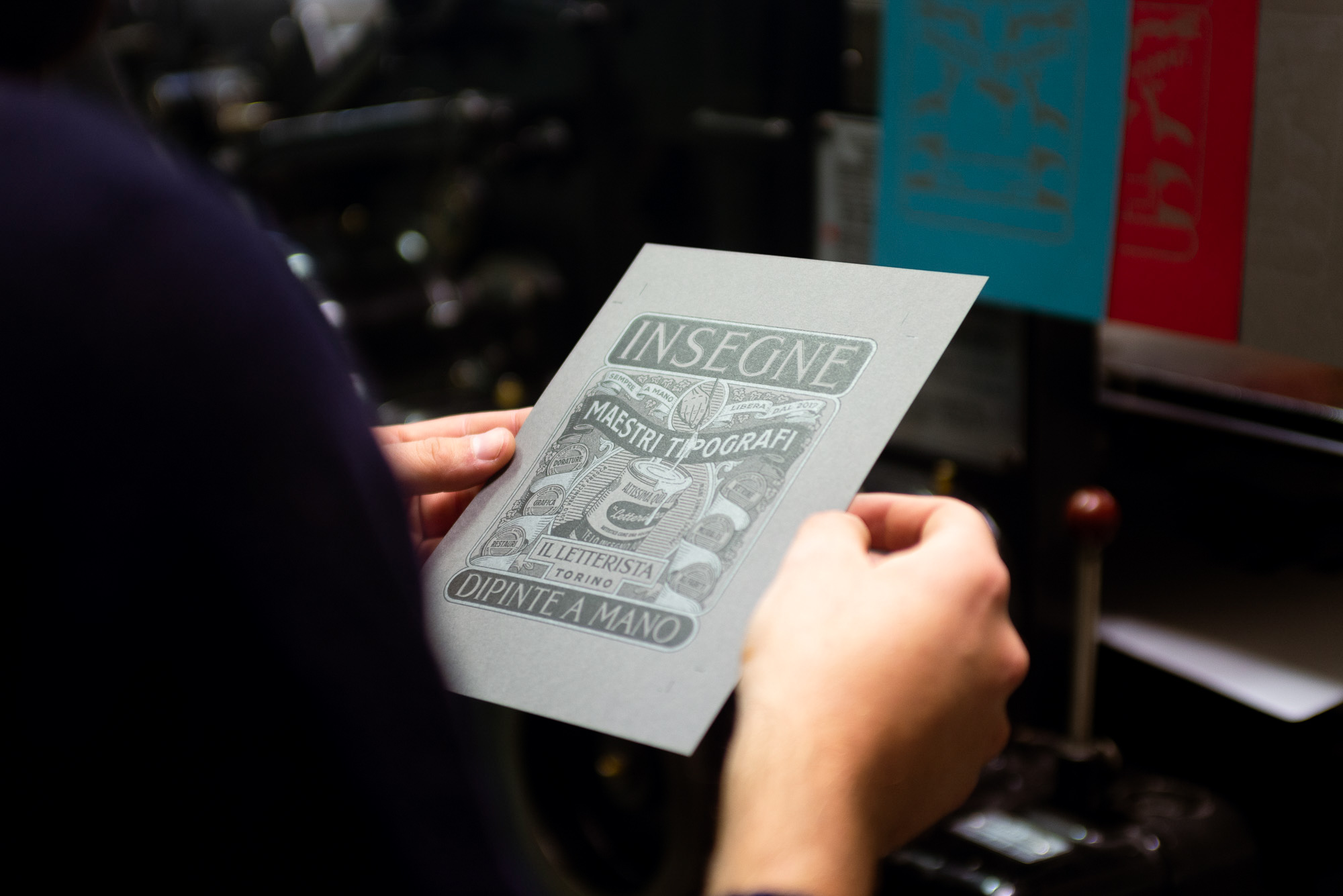
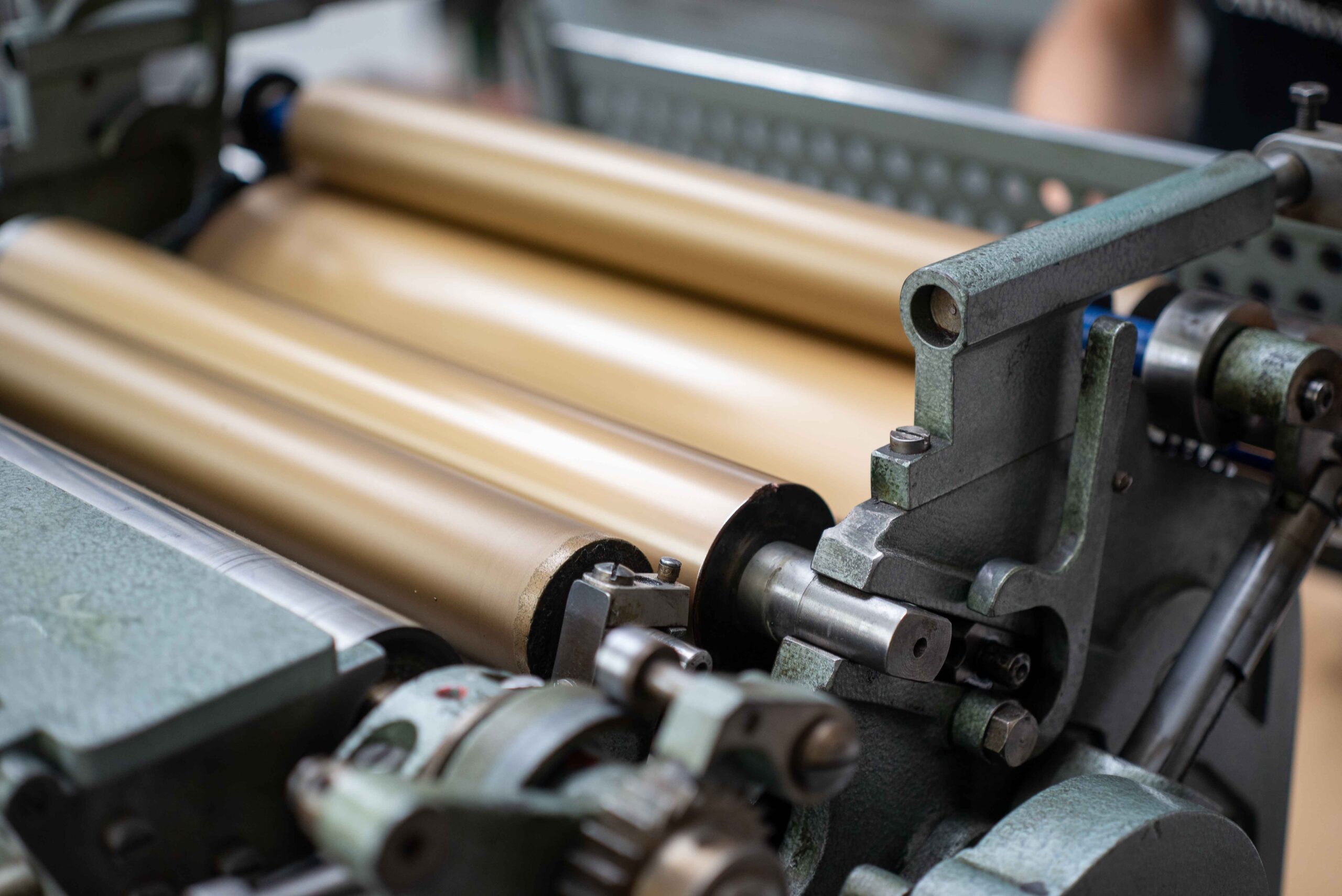
As an alternative to hot foil stamping — and with the goal of reducing plastic use in the printing process — the workshop offers the use of metallic inks.
These pigments are especially reflective on coated or smooth papers, adding a bright, luminous quality that enriches the printed work.
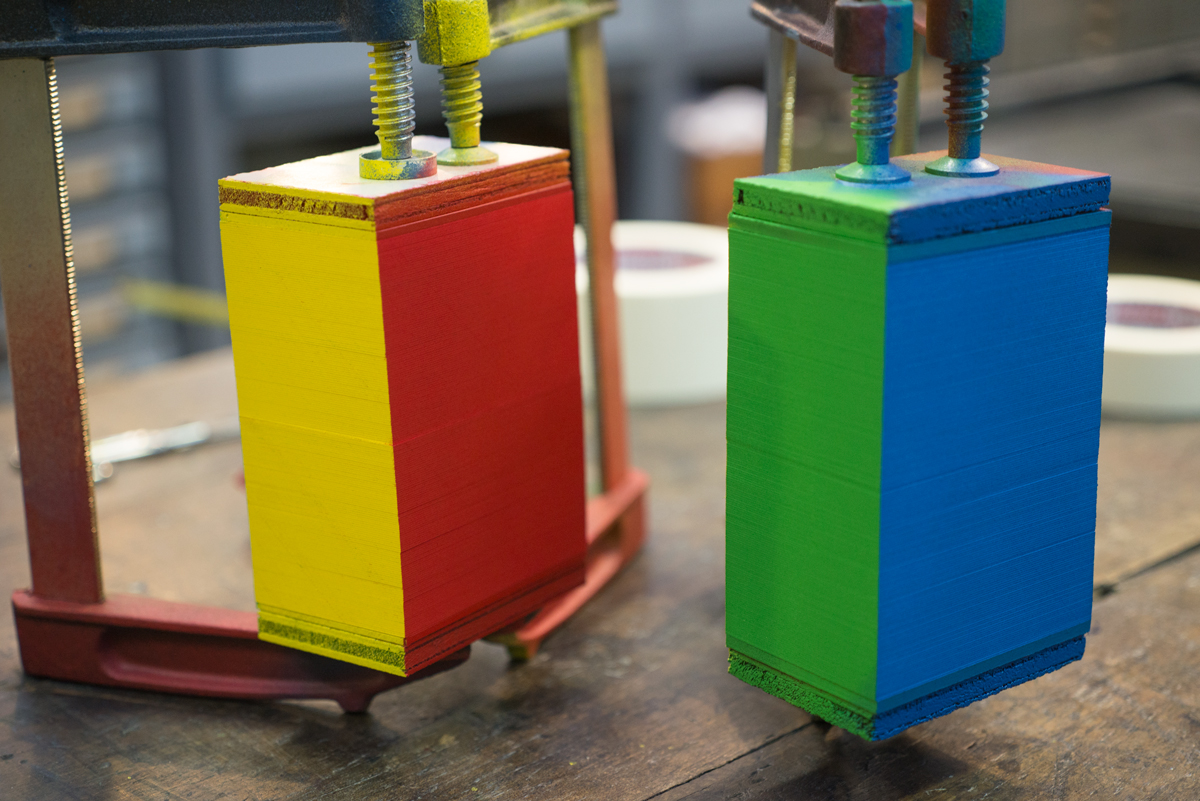
Edge Coloring
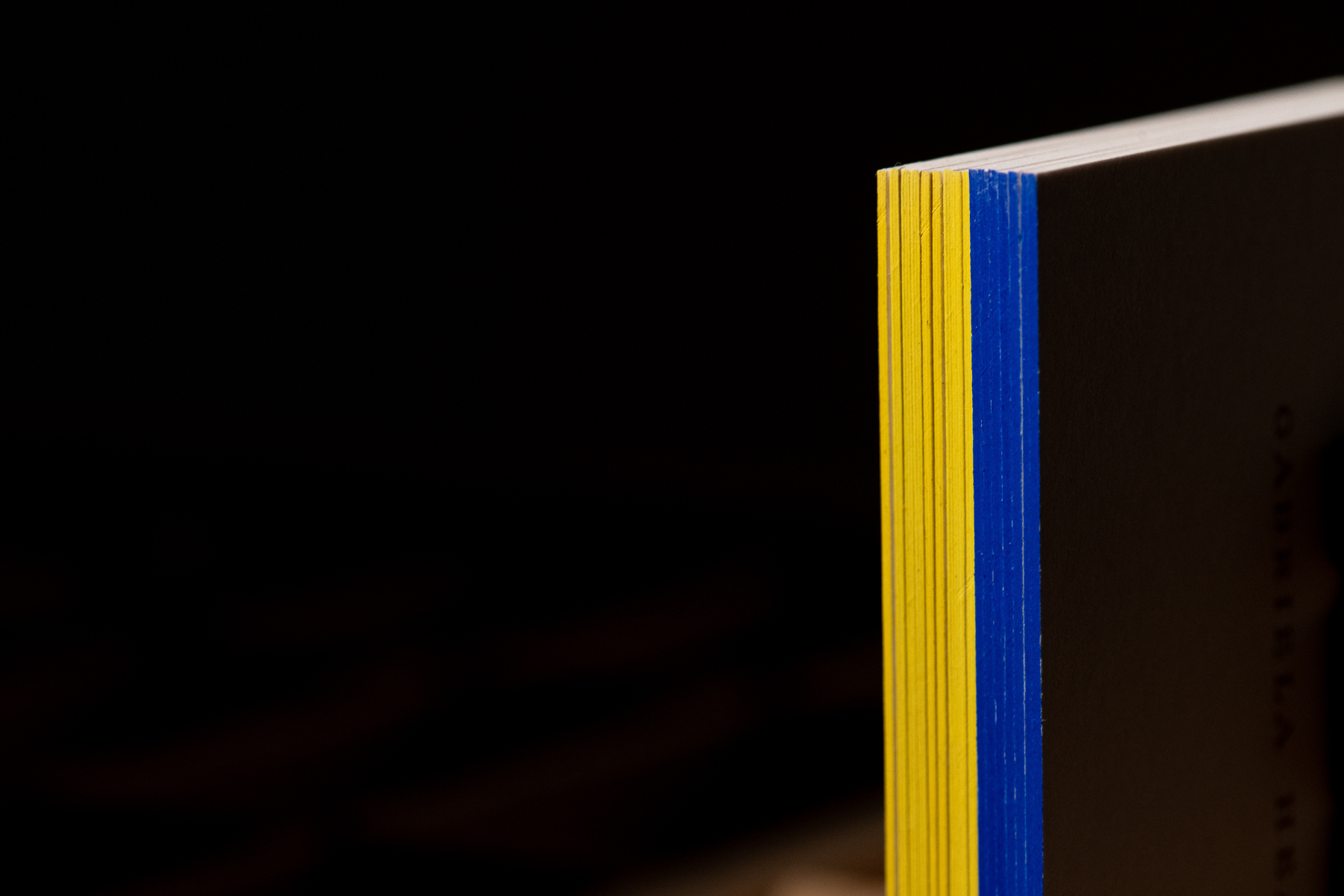
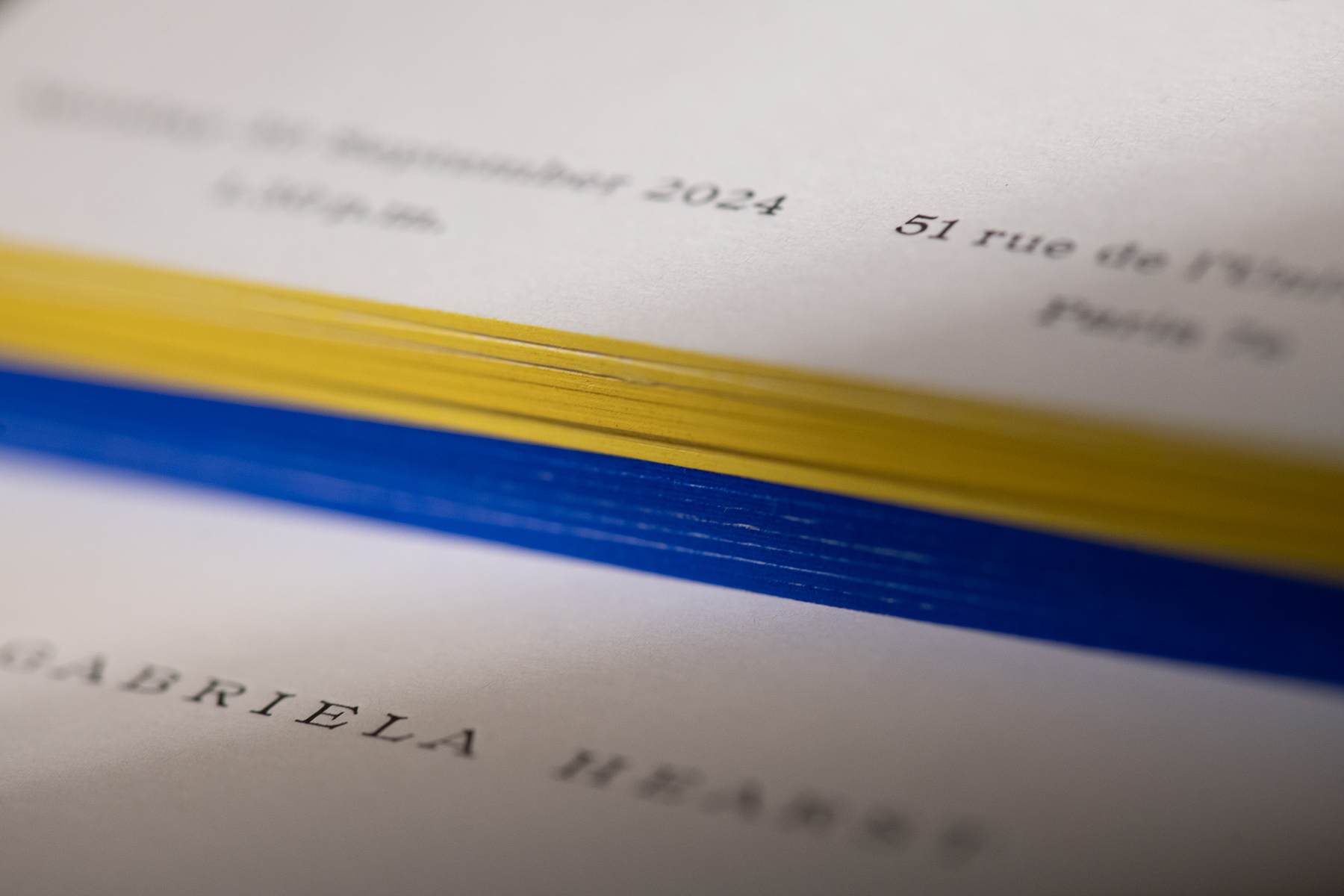
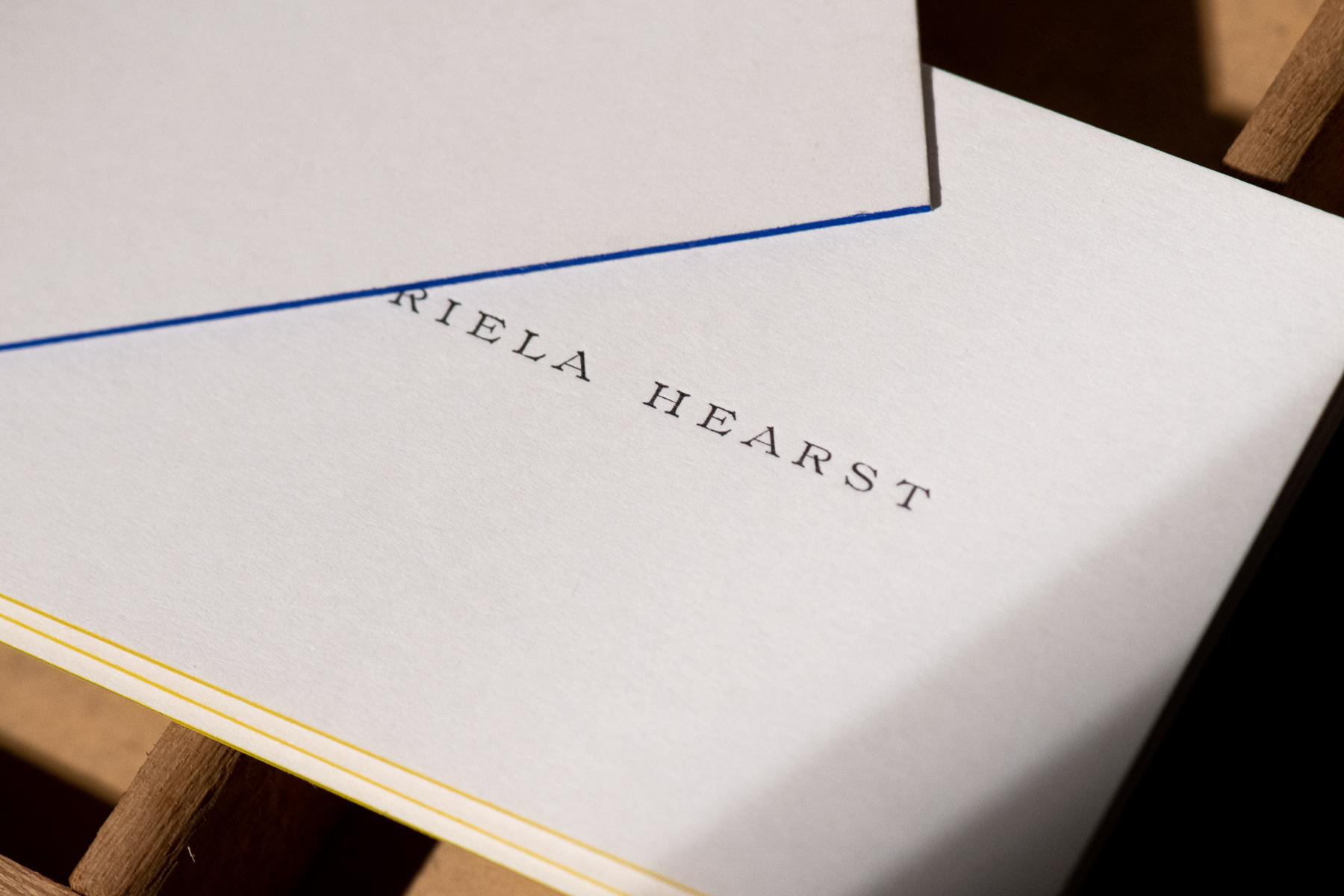
The edge of the paper can be customized with one or more colors. This process is particularly suitable for small printed items such as business cards or invitations, adding a refined and distinctive touch.
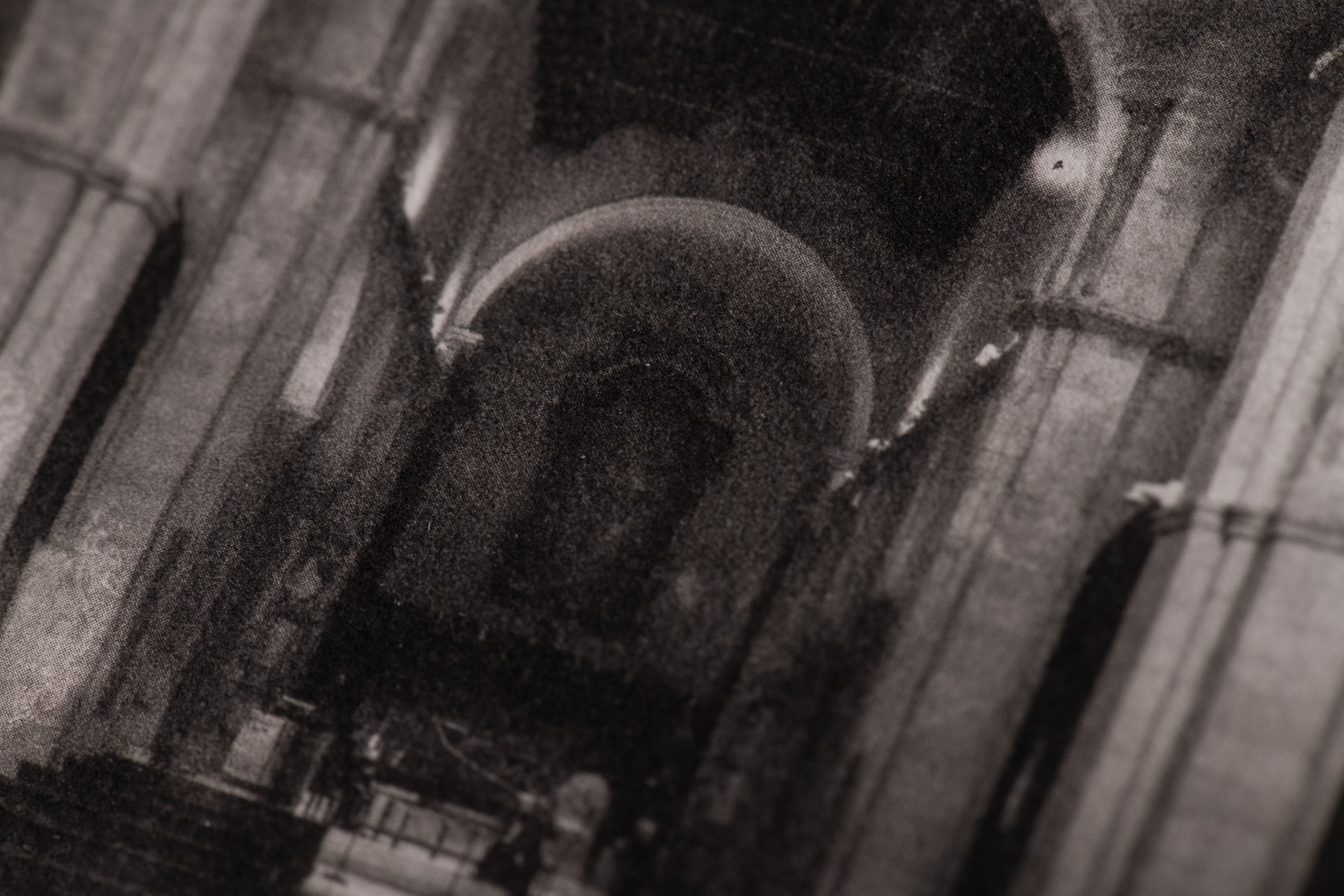
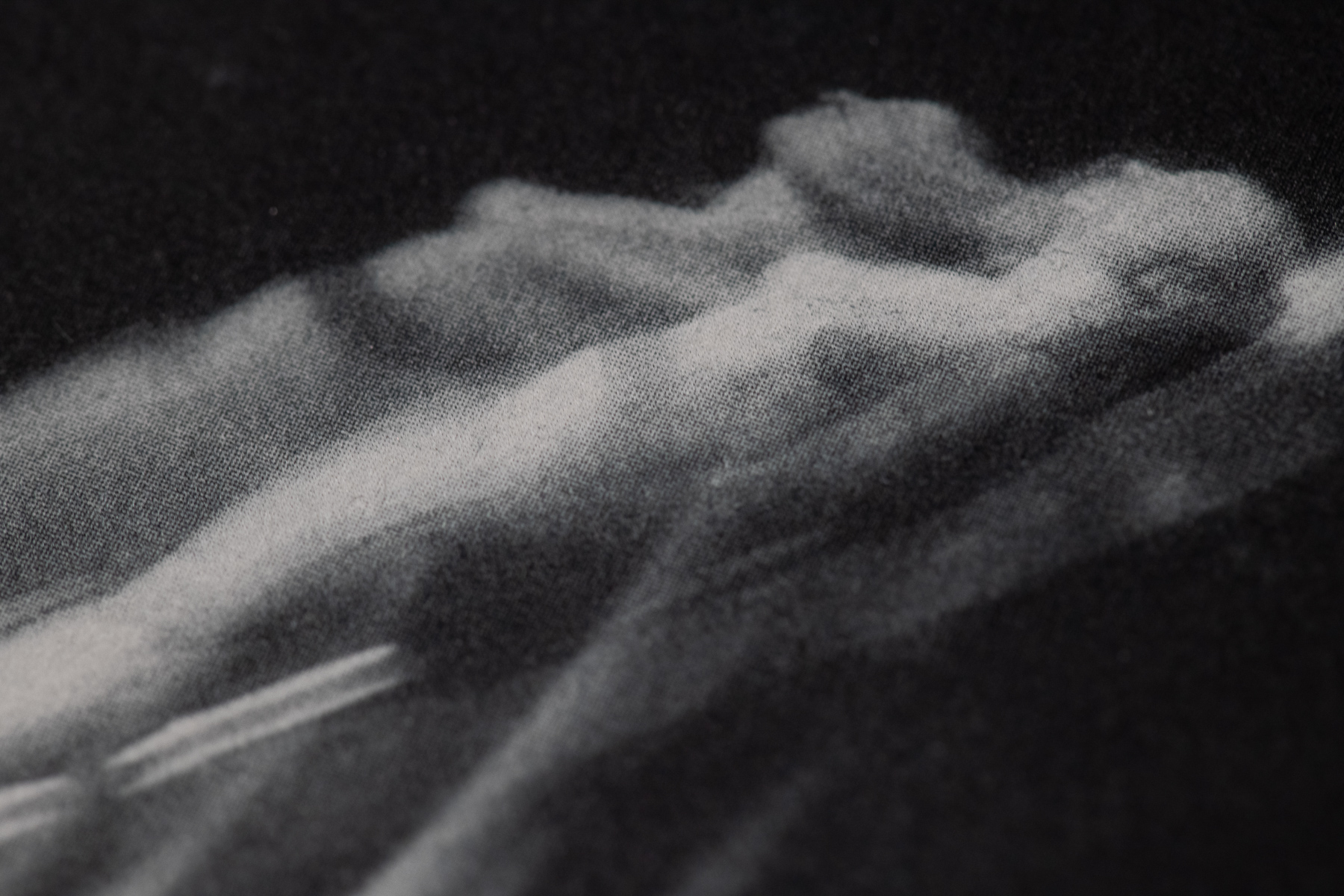
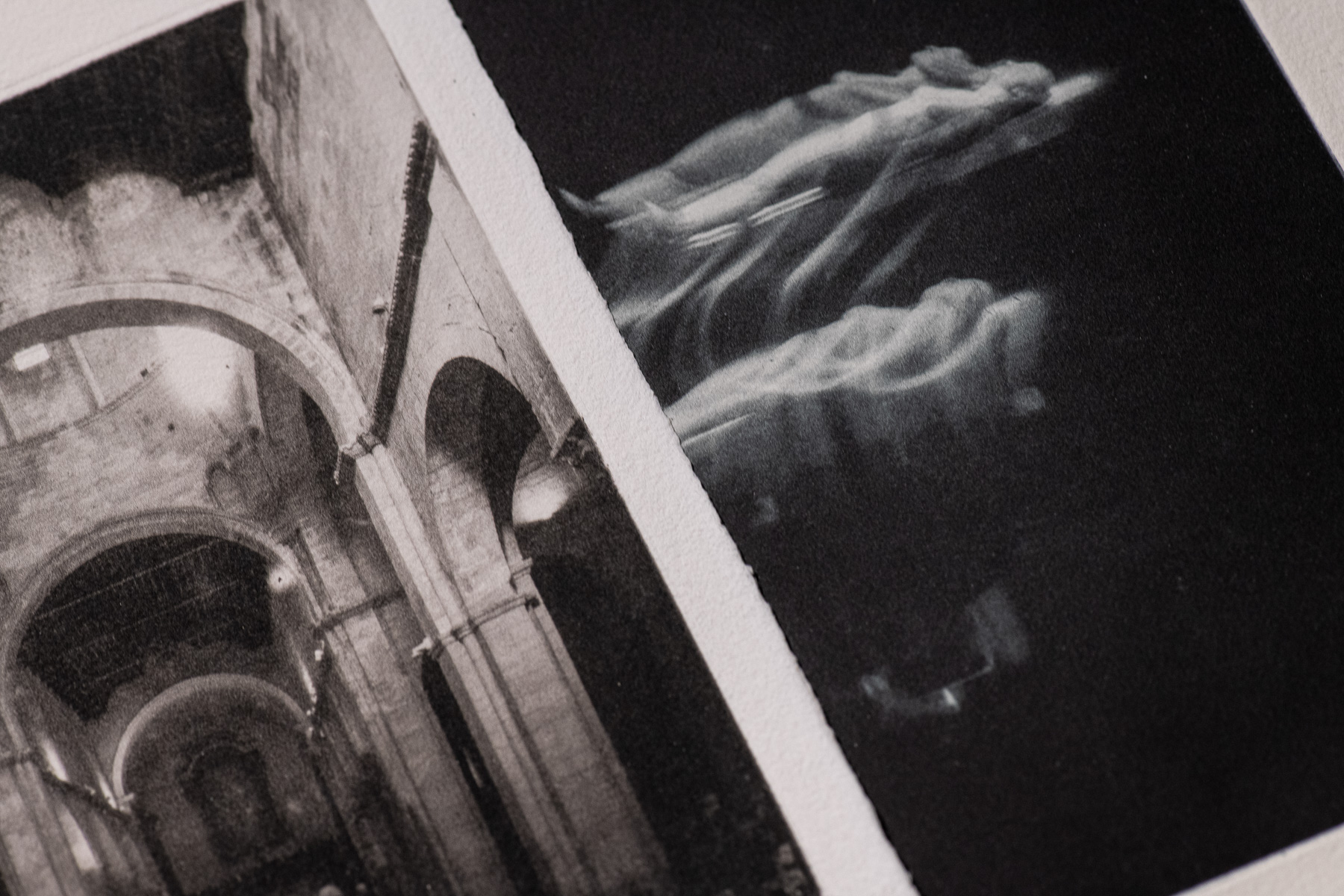
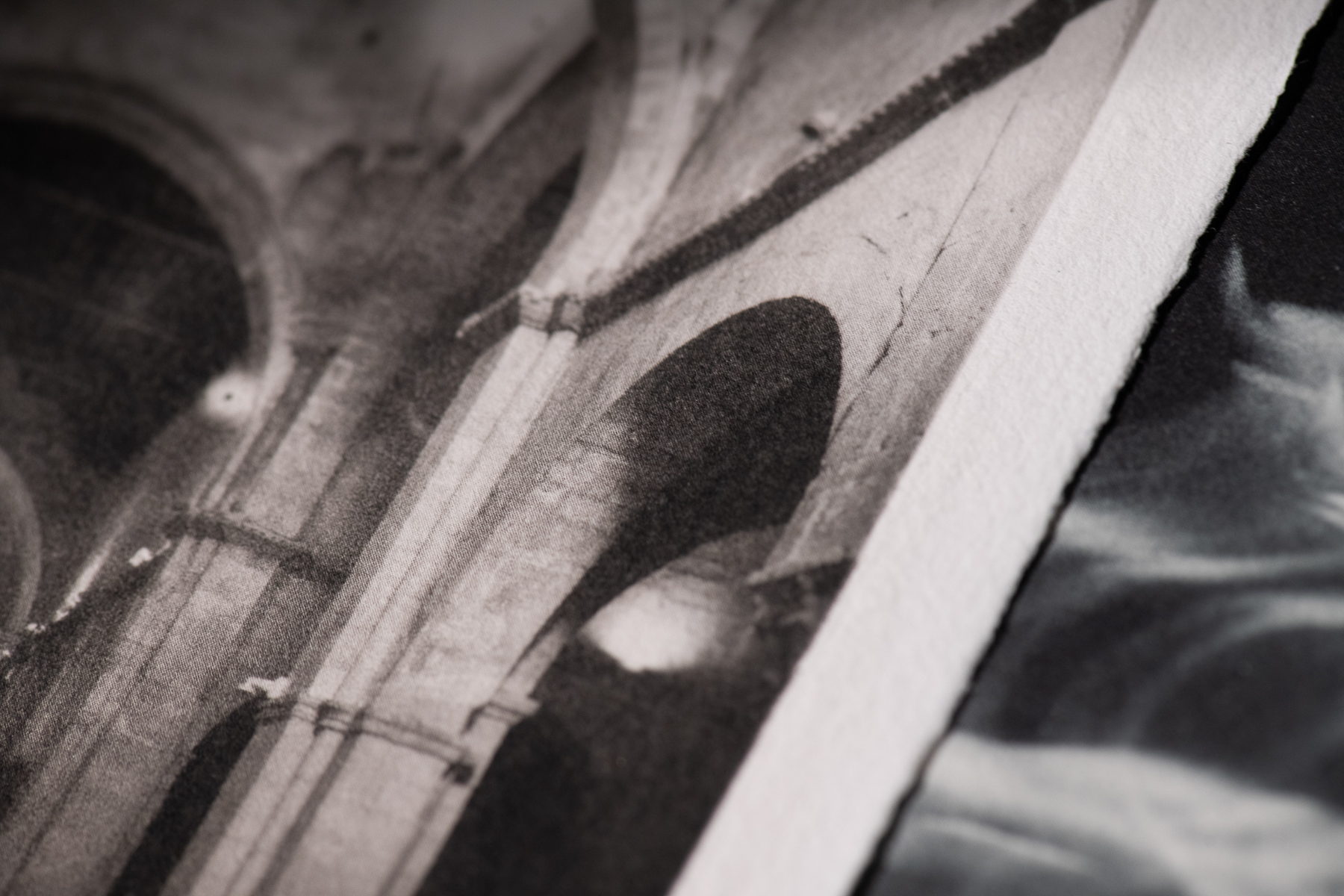
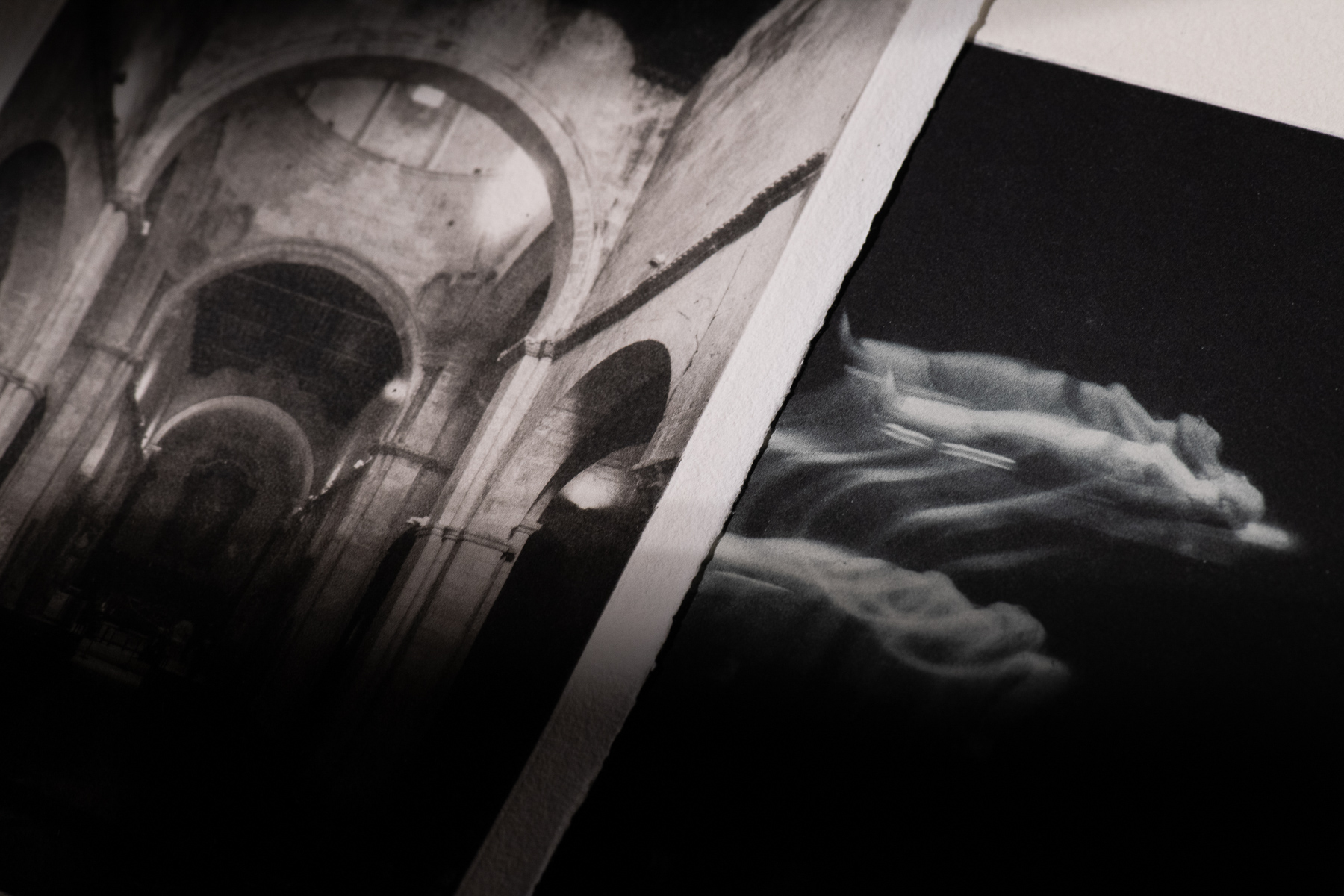
Photogravure
A manual printing technique carried out using an etching press and photopolymer plates — ideal for artistic reproductions of photographic halftones on natural paper.
This process deposits a large amount of ink onto the paper, achieving extremely deep blacks while preserving great detail and smooth tonal transitions.
The black ink can also be adjusted toward warmer or cooler tones, depending on the subject and the desired atmosphere of the project.